_edite.png)

Your Complete Fire Safety Checklist Guide


Fire safety is a critical aspect of maintaining a secure environment, be it at home, work, or in public spaces. Understanding the essential tips and guidelines for fire safety can not only save lives but also prevent significant damage to property. In this comprehensive fire safety checklist guide, we will walk you through the crucial elements of fire safety, providing you with the knowledge and tools necessary to be prepared in case of a fire emergency.
The Importance of Fire Safety
Fires can occur unexpectedly and escalate rapidly, emphasizing the importance of being proactive and prepared. Having a robust fire safety plan in place significantly increases the chances of safely navigating through a fire incident. It is crucial to understand the potential risks associated with fires, the preventive measures that can be taken, and the appropriate actions to be followed in case of a fire.
Fire Safety Checklist
Optimal Placement: Place smoke alarms in every bedroom, outside each sleeping area, and on every level of the home.
Regular Maintenance: Test smoke alarms monthly, replace batteries at least once a year, and install new alarms every ten years.
Plan Routes: Identify primary and alternative escape routes from each room in your home.
Practice Drills: Conduct fire drills regularly with all household members to ensure everyone knows what to do in case of a fire.
Types of Extinguishers: Different types of fires require specific extinguishers. Ensure you have the appropriate extinguisher for your home or workplace.
Maintenance: Check the pressure gauge periodically and ensure the extinguisher is in working condition.
Unattended Cooking: Never leave cooking food unattended. Keep flammable items away from the stove.
Appliance Care: Regularly inspect appliances for any signs of damage or malfunction.
Avoid Overloading Outlets: Do not overload electrical outlets or extension cords.
Regular Inspections: Check for frayed wires, loose connections, or any other electrical hazards.
Clear Exits: Ensure all exits are clear of obstructions for a quick and safe evacuation.
Emergency Numbers: Keep emergency numbers, such as the fire department, easily accessible.
Conclusion
By following this fire safety checklist guide, you are taking a proactive step towards ensuring the safety of yourself, your loved ones, and your property. Remember, fire safety is a shared responsibility, and being prepared is the key to minimizing risks and preventing potential disasters. Stay informed, stay vigilant, and stay safe.
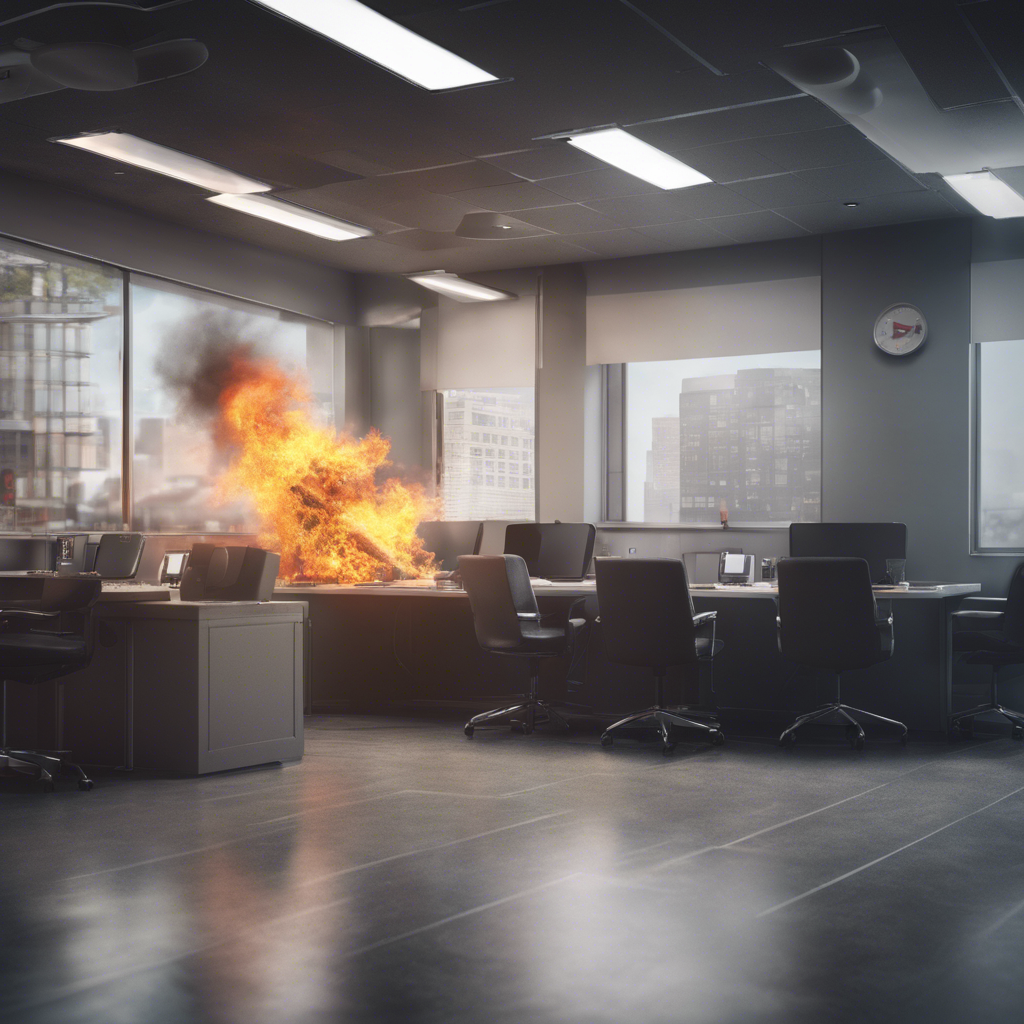
Remember, it's better to be over-prepared than under-prepared when it comes to fire safety! Stay safe, stay aware, and prioritize fire safety in all aspects of your life.


Comments